
MyGug in School is essential
to meet climate targets
and teach students about renewable energy
The Challenge
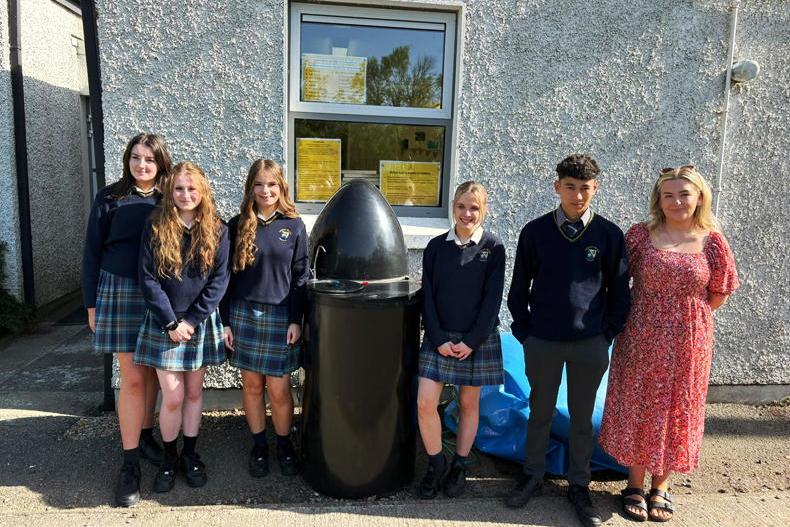
Coláiste Bhríde is a secondary school in Carnew in Co Wicklow. The school community were increasingly aware of the global issues we are facing with climate change in a world that required new ways to educate for the future and were searching for new ways to create positive impact. The decision was made to use a freely available resource for teaching and learning and creating positive impact that would inspire all students and teachers. As food waste contributes significantly to climate change the school decided to take the opportunity to change this with MyGug. The ambition was to start the journey towards creating a new way of thinking about food waste while introducing a practical and visible form of renewable energy into everyday school life.
The Solution
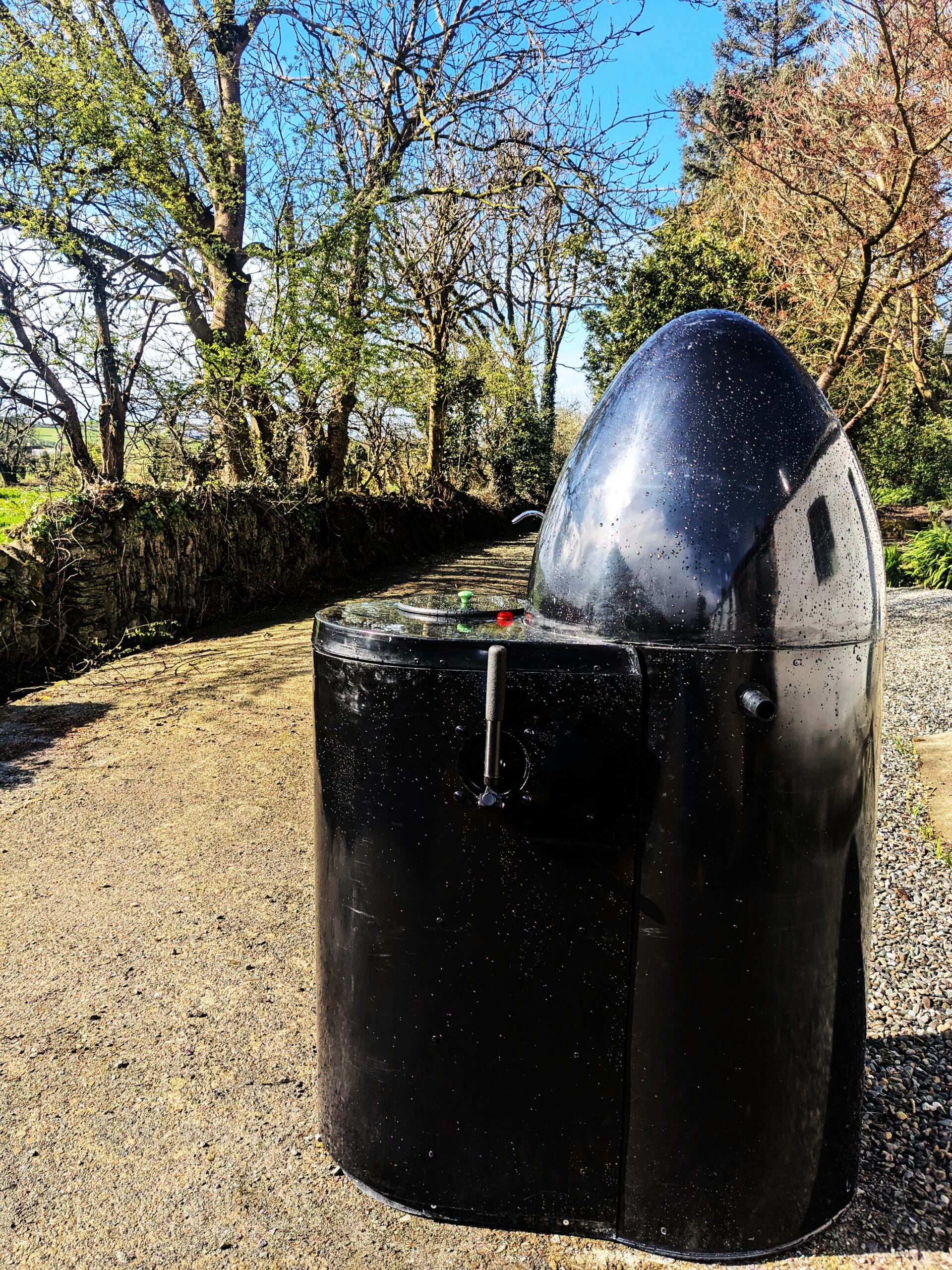
Since early 2026, MyGug has been part of school life in Coláiste Bhríde.
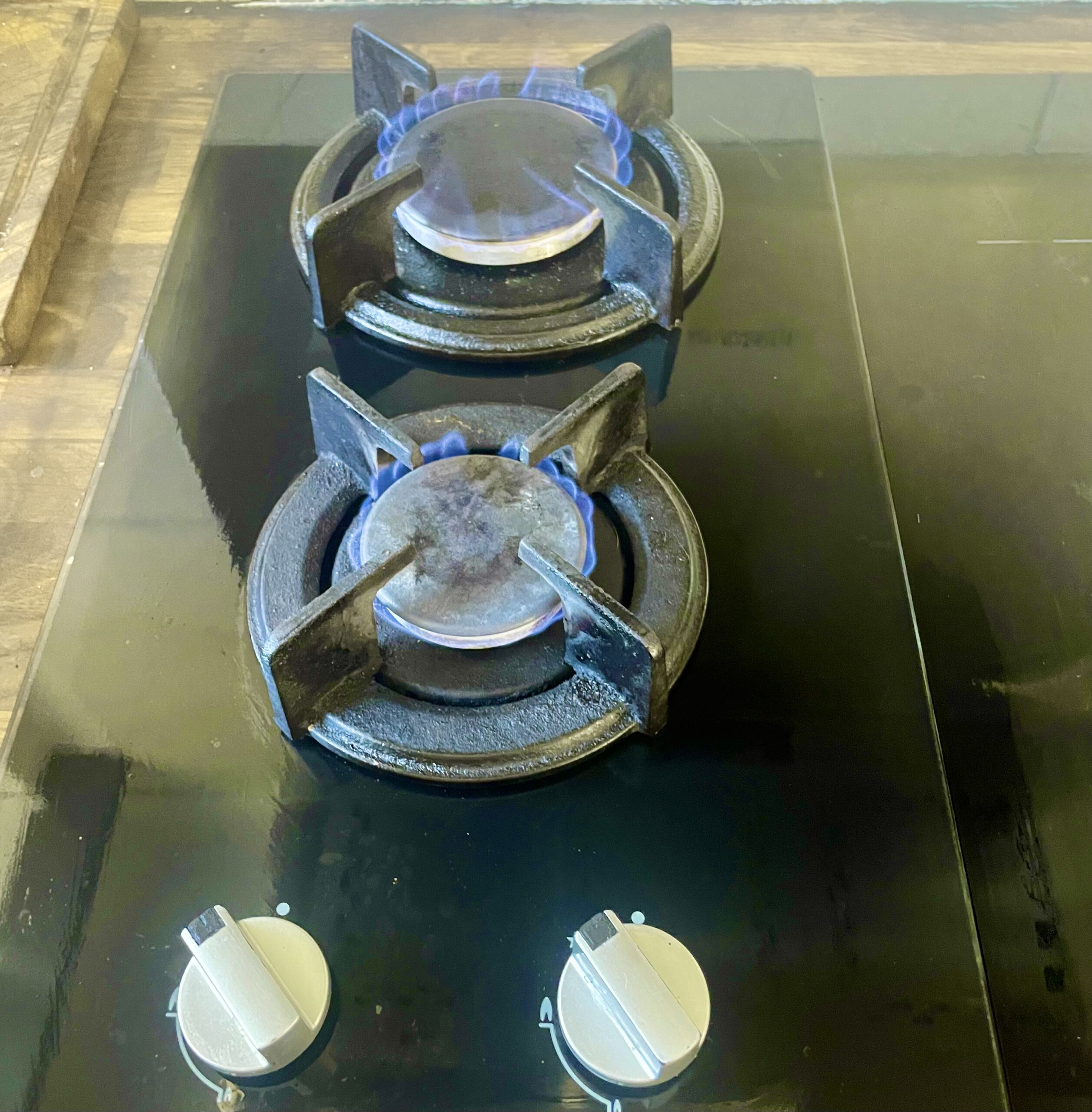
Food waste is collected and fed into the biodigester once a day. Bacteria break down the organic material, producing biogas which is collected and piped to the Home Economics room, where it is used to fuel a two-ring hob for cooking. Circular Economy in action!
The anaerobic process also produces a chemical free liquid feed which can be used in the school’s gardens.
As Dayna Lancaster, Agricultural Science and Climate Action teacher at Coláiste Bhríde, explains: “It converts food waste into biogas and fertiliser, so there’s no waste from it.”
Hands-on Learning and Tangibility
Students are directly involved. They can operate the system and can see the transformation of food waste into useful energy. MyGug is providing an impactful learning experience that motivates positive action and eases climate anxiety.
MyGug has become a central and progressive practical teaching tool within the school, allowing students to see the principles of anaerobic digestion, renewable energy and circular economy in action.
MyGug is connecting classroom learning with positive everyday climate action.
MyGug will support project-based learning in the future. The school will introduce a screen to measure inputs and outputs from the system, allowing students to collect and analyse data as part of their Additional Assessment Components. Circular Economy and Sustainable Education couldn’t be easier.
A Model for Climate Education
Coláiste Bhríde demonstrates how a small-scale biodigester can become much more than a waste-management solution.
By bringing the technology directly into the school environment, students can see renewable energy being produced from the food waste generated around them.
As Fiona Kelleher, CEO of Amu Green, explains, the value of these systems is in providing active learning in the educational journey for students and teachers — allowing students to experience circular economy principles as part of everyday life. The school community learns that all our actions count and that we can learn, innovate and solve climate change issues.
For students at Coláiste Bhríde, the lesson is simple: food waste doesn’t have to be the end of the story. It can become energy, fertiliser and an opportunity to learn.
A small-scale solution creating a big learning opportunity.
Key Education Benefits
Measurable Learning Outcomes
The MyGug for Schools unit is an excellent way to use leftovers
from school lunches and snacks
